

A business owner once put it to us plainly:
“There’s money sitting in the corporate account that I won’t need for years. I know it shouldn’t just sit there. I don’t know what else to do with it.”
That question comes up more often than you might think.
Past a certain point, the hard part is no longer earning more. It is deciding what the wealth you have already built should be doing — and most of it, in practice, is doing one thing at a time.
That is why capital efficiency has moved to the centre of the conversation. And it is why the Immediate Financing Arrangement (IFA) keeps coming up in Canadian wealth planning.
What capital efficiency actually means
Most people measure wealth with one number: how much do I have?
A more useful question is: what is this money capable of doing?
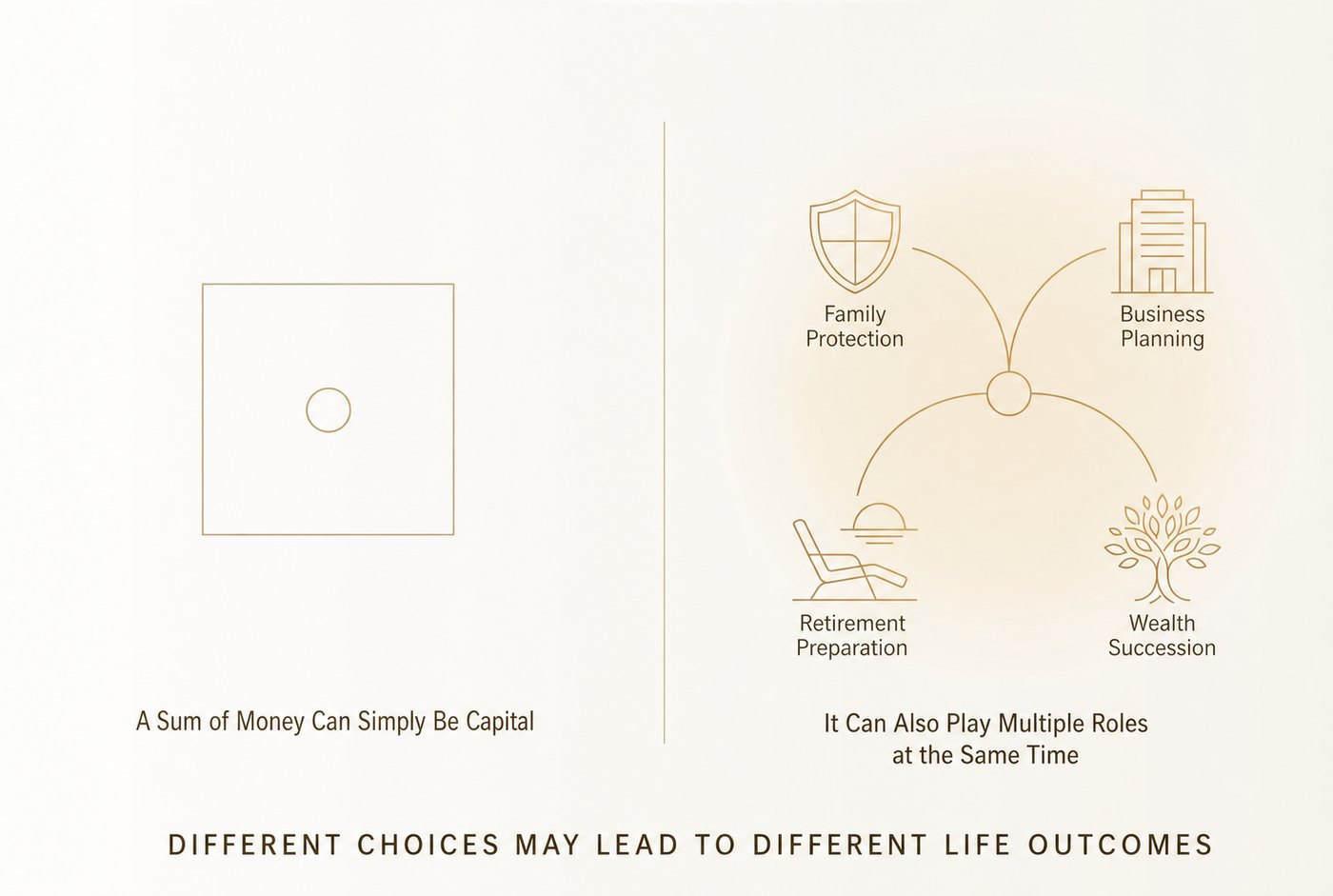
Take a million dollars. One family leaves it in the corporate account. Another puts all of it into the market. A third structures it so the same capital supports family protection, stays available to the business, contributes to retirement, and forms part of what eventually passes to the next generation.
The amount hasn’t changed. What it does has changed completely.
That gap is capital efficiency.
Why the question surfaces when it does
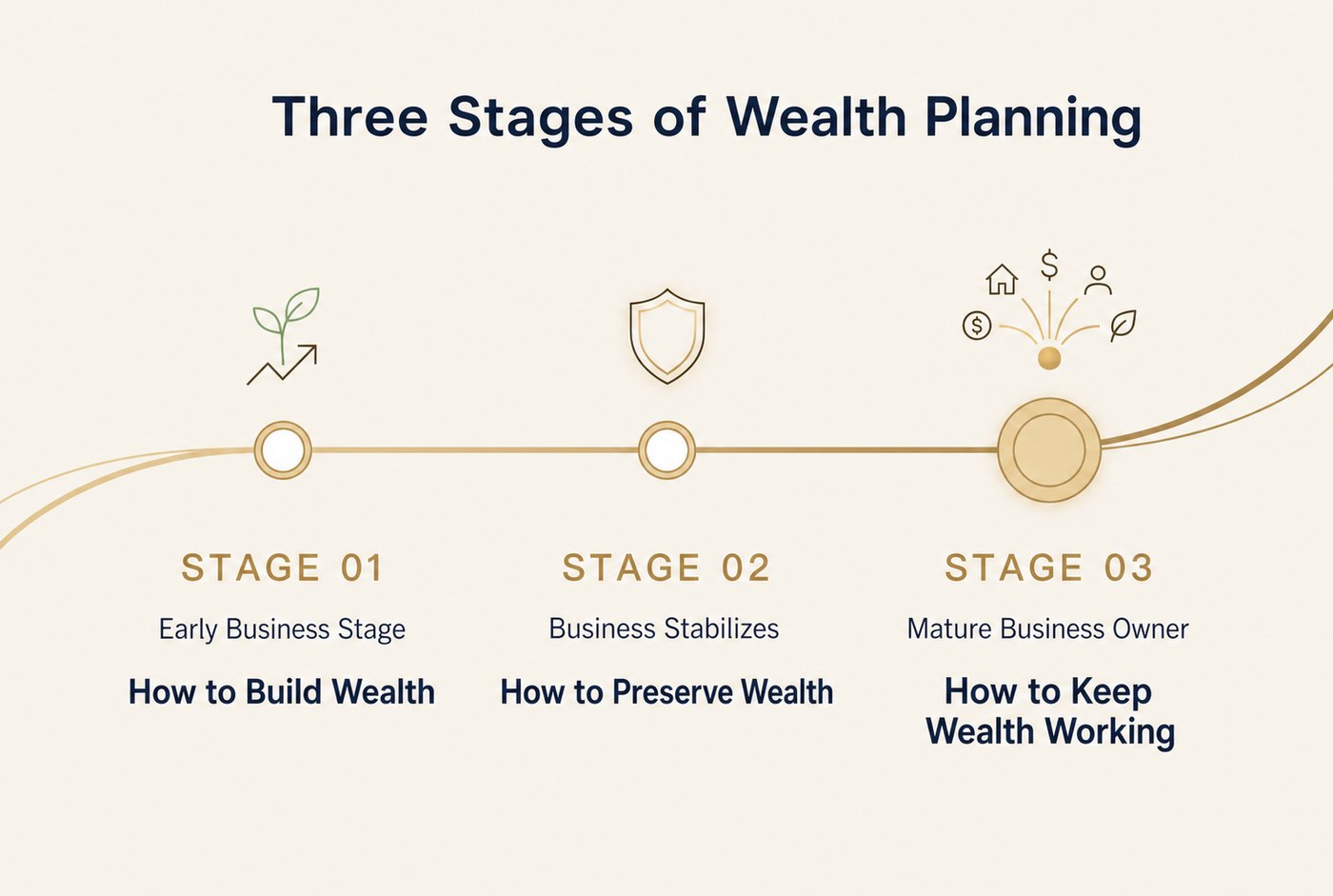
What a business owner needs from planning shifts as the business matures.
Early on, the question is how to make money. Once things stabilise, it becomes how to keep it. For owners of established businesses, it turns into something else entirely — how do I make this wealth keep working, across more than one purpose at a time?
IFA gets attention not because it is a new way to invest. It isn’t an investment at all. It is a long-term planning structure, and it tends to become relevant at exactly that third stage.
So what is an IFA?
Most people hear the acronym and assume it is an insurance product. It isn’t.
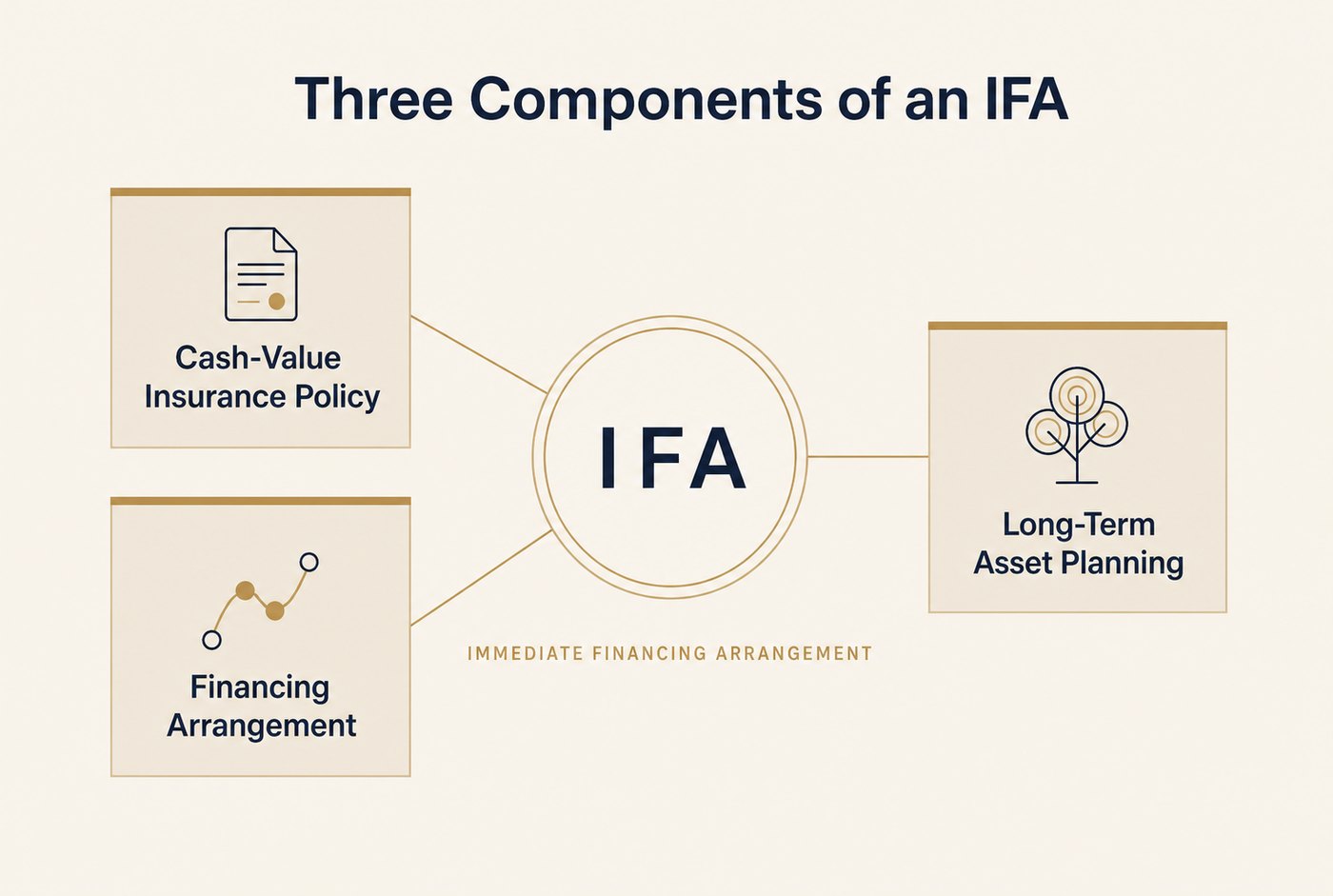
IFA stands for Immediate Financing Arrangement. It is not a policy, and it is not an investment product. It is a planning structure that combines a permanent policy carrying cash value, a financing arrangement, and long-term asset planning — so that, where the circumstances qualify, capital can serve more than one purpose at once.
The structure is not the point. What matters is whether it fits a particular family’s assets, cash flow, and intentions. Those are different in every case, which is why this is a planning conversation rather than a product one.
Who it tends to suit
An IFA is not for everyone. It comes up most often with:
- Business owners
- Incorporated professionals — physicians, dentists, lawyers, accountants
- High-income earners
- Families planning over a long horizon
- Families thinking seriously about retirement
- Families preparing for succession
Whether it makes sense depends on corporate structure, existing assets, cash flow, and what the family is actually trying to achieve. That assessment takes a team — accounting, legal, and planning — not a single conversation.
Our view
There is a common assumption that wealth planning means finding better returns.
For most families we work with, the more useful question is different: how many roles can one pool of capital reasonably carry?
Money can be money. It can also, at the same time, be protection for a family, flexibility for a business, a retirement plan, and the foundation of what gets passed on.
Good planning is not only about growth. It is about making wealth remain useful as life changes shape.
Worth sitting with
If there is capital in your corporate account that you won’t touch for years — would you rather it stayed where it is, or that it also protected your family and formed part of what comes next?
Different answers lead to genuinely different outcomes.

Poster for the 17 July 2026 session. It was held in Mandarin, so the poster is in Chinese only.
This article is general information, not advice. Whether any structure suits your situation depends on facts we would need to review with you and your accounting and legal advisors.
First published on Guaranti’s WeChat account.